

Abstract
The human body is not merely a chemical and mechanical system; it is also an extraordinarily complex bioelectrical system. Every heartbeat, muscle contraction, sensory perception, movement, and transmission of information through the nervous system depends on electrical and electrochemical processes occurring at the cellular level. This phenomenon is commonly described as body electricity or bioelectricity.
Body electricity is fundamentally different from the electricity delivered through household wiring. In electrical machines, electrons moving through conductors constitute the principal current. Inside living tissues, electrical signaling is primarily associated with the movement of ions, including sodium (Na⁺), potassium (K⁺), calcium (Ca²⁺), and chloride (Cl⁻), across cell membranes. Specialized membrane proteins, ion channels, pumps, and transporters create and regulate electrical gradients. These gradients allow excitable cells such as neurons and muscle cells to generate electrical signals.
The study of body electricity connects biology, physics, chemistry, neuroscience, cardiology, biomedical engineering, and medical technology. Modern instruments can record electrical activity from the heart, brain, nerves, and muscles, while carefully controlled electrical stimulation can interact with biological tissues. Consequently, bioelectricity has become an important foundation for technologies such as electrocardiography, electroencephalography, electromyography, neural interfaces, cardiac stimulation, and brain-computer interfaces.
1. Introduction: The Body as an Electrical System
When people hear the word electricity, they commonly imagine power stations, electrical cables, batteries, computers, and household appliances. Yet electricity is also fundamental to living organisms.
The human body continuously generates, conducts, regulates, and responds to electrical signals. The brain processes information through electrical activity in networks of neurons. The heart produces coordinated electrical activity that controls its rhythm. Muscles respond to electrical signals from motor neurons. Sensory systems transform environmental stimuli into electrical signals that can be processed by the nervous system.
This does not mean that the human body contains conventional electrical wiring. Instead, biological electricity emerges from the movement and distribution of charged particles, particularly ions, across cell membranes.
A modern textbook treatment of body electricity therefore considers three interconnected areas:
- Electricity within the body — how cells generate electrical potentials and impulses.
- Electricity from the body — how biological electrical signals can be measured.
- Electricity toward the body — how externally applied electrical stimulation can interact with biological tissues.
This three-part framework provides an excellent foundation for understanding the electrical nature of human life.
2. What Is Body Electricity?
Body electricity is the collection of electrical and electrochemical phenomena produced by living cells, tissues, organs, and organ systems.
At its simplest level, electricity involves charge. Because ions carry electrical charge, their movement through biological fluids and across cell membranes can produce electrical currents.
The major biologically important ions include:
- Sodium (Na⁺)
- Potassium (K⁺)
- Calcium (Ca²⁺)
- Chloride (Cl⁻)
- Magnesium (Mg²⁺)
- Other charged molecules and ions
The concentration of these ions is not the same inside and outside cells. Cell membranes selectively control their movement through channels, pumps, exchangers, and transport proteins.
The resulting separation of charge produces membrane potentials.
Thus, a useful simplified chain is:
Chemical gradients → ion movement → electrical potential → electrical signal → biological response
This relationship illustrates why bioelectricity cannot be separated completely from chemistry and cellular physiology.
3. Electricity in the Human Body Is Mainly Ionic
One of the most important distinctions between biological electricity and conventional electrical circuits concerns the carriers of charge.
In a metal wire, electric current is primarily associated with electron movement. In biological tissues, electrical currents are largely produced by ions moving through aqueous environments and membrane proteins.
For example:
- Na⁺ carries positive charge.
- K⁺ carries positive charge.
- Ca²⁺ carries two units of positive charge.
- Cl⁻ carries negative charge.
When ion channels open, ions move according to electrochemical forces. Their movement changes the electrical potential across the cell membrane.
This process is fundamental to neuronal communication, muscular activity, and cardiac electrical conduction.
4. The Cell Membrane: The Biological Electrical Boundary
Every human cell is surrounded by a plasma membrane. This membrane acts as a selective boundary between the intracellular and extracellular environments.
The membrane is particularly important to bioelectricity because it separates solutions containing different concentrations of ions.
The cell therefore resembles, in a very simplified conceptual sense, a microscopic electrical system in which:
- the membrane provides an insulating barrier,
- ionic solutions provide charge carriers,
- ion channels provide selective pathways,
- ion pumps maintain concentration gradients,
- membrane proteins regulate electrical behavior.
The membrane’s electrical properties allow cells to maintain a voltage difference called the membrane potential.
5. Resting Membrane Potential
Many cells maintain a voltage difference between their interior and exterior.
In neurons, the resting membrane potential is typically around −70 mV, although the exact value varies according to cell type and physiological conditions.
The negative value indicates that the inside of the cell is electrically negative relative to the outside under the chosen reference convention.
This electrical state is maintained by a combination of:
- unequal ion concentrations,
- selective membrane permeability,
- ion channels,
- active transport,
- especially the sodium-potassium pump.
The sodium-potassium pump uses cellular energy to move sodium and potassium ions in directions that help maintain their concentration gradients.
Consequently, the cell effectively maintains an electrochemical potential that can subsequently be exploited for signaling.
6. Ion Channels: The Microscopic Electrical Gates
Ion channels are specialized proteins embedded in cell membranes.
They act as selective pathways through which particular ions can pass.
Different channels respond to different conditions. Some respond to:
- voltage changes,
- chemical signals,
- mechanical forces,
- temperature,
- intracellular conditions.
Voltage-gated channels are particularly important in neurons and muscle cells because changes in membrane voltage can cause channels to open or close.
The opening and closing of these channels allows biological cells to transform stored electrochemical gradients into rapidly changing electrical signals.
7. The Action Potential
One of the most important concepts in body electricity is the action potential.
An action potential is a rapid, temporary change in membrane potential that allows excitable cells to transmit information.
In a simplified neuron:
- The membrane begins in a resting state.
- A sufficiently strong stimulus changes the membrane potential.
- Voltage-gated sodium channels open.
- Sodium ions enter the cell.
- The membrane rapidly depolarizes.
- Sodium channels become inactive.
- Potassium channels contribute to repolarization.
- The membrane returns toward its resting state.
- A refractory period helps regulate subsequent signaling.
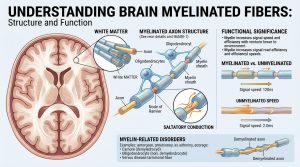
The resulting electrical event can propagate along the neuron’s axon.
Modern descriptions of body electricity identify resting potentials, action potentials, propagation, and sensory potentials as fundamental components of biological electrical signaling.
8. The Nervous System: The Body’s High-Speed Communication Network
The nervous system is perhaps the most recognizable example of biological electrical communication.
It includes:
- the brain,
- spinal cord,
- peripheral nerves,
- sensory neurons,
- motor neurons,
- interneurons,
- supporting glial cells.
Neurons communicate using combinations of electrical and chemical signaling.
Electrical signals travel along neuronal membranes, while communication between many neurons occurs through synapses, where neurotransmitters can influence the next cell.
The result is a vast biological information-processing network.
Through this system, electrical activity participates in:
- sensation,
- movement,
- reflexes,
- memory,
- learning,
- coordination,
- perception,
- autonomic regulation.
Bioelectricity is therefore not simply an electrical phenomenon occurring alongside nervous-system function. It is one of the fundamental mechanisms through which the nervous system communicates.
9. The Brain and Electrical Activity
The brain contains enormous networks of electrically active neurons.
Individual neurons produce electrical events, while the combined activity of many neurons produces measurable electrical patterns.
The electroencephalogram (EEG) records electrical activity associated with brain function through electrodes placed on the scalp.
EEG signals are not a direct recording of every individual neuron’s action potential. Instead, they reflect the combined electrical activity of large populations of neurons, especially synchronized activity in cortical networks.
Brain electrical activity can therefore be studied as a biological signal.
This has made electrophysiology an important bridge between neuroscience and engineering.
10. The Heart: An Electrical Pump
The heart is both a mechanical pump and an electrical organ.
Its muscle must contract in a highly coordinated sequence to circulate blood effectively. This coordination depends on electrical excitation.
The cardiac electrical system includes structures such as:
- the sinoatrial (SA) node,
- atrioventricular (AV) node,
- conduction pathways,
- His-Purkinje system,
- cardiac muscle cells.
The electrical impulse initiates and coordinates contraction of the heart.
At the cellular level, cardiac action potentials result from ion movements through membrane channels and transport systems. Electrical waves propagate through cardiac tissue, coordinating contraction. The collective electrical activity of cardiac muscle can be detected from the body’s surface as an electrocardiogram.
11. The Electrocardiogram
An electrocardiogram (ECG or EKG) is a measurement of the heart’s electrical activity using electrodes placed on the body.
The ECG provides information about the timing and pattern of electrical activation of the heart.
It can help clinicians evaluate conditions involving:
- heart rhythm,
- electrical conduction,
- certain patterns of cardiac stress or injury,
- abnormal rhythms.
The important principle is that the heart’s electrical activity is sufficiently organized and strong, when considered across large numbers of cardiac cells, to produce electrical signals measurable at the body’s surface.
12. Electricity and Muscles
Muscles also depend on electrical signaling.
For skeletal muscle, motor neurons transmit signals to muscle fibers. These signals initiate cellular processes that ultimately produce contraction.
The relationship can be summarized as:
Motor command → neuronal electrical signal → muscle excitation → calcium signaling → contraction
Electrical activity in muscles can be detected using electromyography (EMG).
EMG technology allows researchers and clinicians to study electrical activity associated with muscle activation.
It also provides an important interface between biology and engineering.
13. Sensory Systems and Electricity
The human sensory systems continually transform environmental information into neural signals.
Examples include:
- light entering the eyes,
- sound waves reaching the ears,
- mechanical pressure on the skin,
- temperature changes,
- chemical molecules interacting with receptors.
Specialized sensory cells and receptors convert these stimuli into electrical or electrochemical signals.
The nervous system then processes these signals.
Consequently, bioelectricity forms part of the pathway connecting the external world to conscious perception.
14. Electricity and Cellular Communication
Bioelectricity is not limited to neurons, hearts, and muscles.
Electrical properties exist throughout biological tissues.
Researchers increasingly study how electrical states and ion distributions influence cell behavior, development, regeneration, and tissue organization. Research on bioelectricity has examined endogenous electrical fields in developing and regenerating tissues and the ways cells can respond to electrical environments.
This area has contributed to the emerging concept of bioelectrical engineering, in which electrical and electrochemical properties of living systems become objects of engineering and therapeutic research.
15. Electricity, Energy, and ATP
Bioelectricity ultimately depends on biological energy metabolism.
The sodium-potassium pump and many other cellular transport mechanisms require energy. Cells obtain much of this usable energy through metabolic processes involving ATP.
This creates an important relationship:
Food → metabolism → ATP → ion gradients → membrane potentials → electrical signaling
Therefore, the electrical activity of the body cannot be considered independently of metabolism.
A neuron, for example, must continually maintain ion gradients so that it can remain electrically excitable.
This explains why normal electrical function is deeply connected to cellular energy production.
16. Electrical Signals Versus Electrical Power
It is important to distinguish bioelectrical signaling from the amount of electrical power associated with conventional machines.
The body’s electrical signals can involve very small voltages and currents, yet they can have enormous biological importance.
A tiny voltage change across a membrane can initiate:
- an action potential,
- a muscle contraction,
- a sensory response,
- communication between neurons.
The significance of biological electricity therefore cannot be judged merely by comparing its voltage or current with household electricity.
Biological systems are highly optimized information-processing systems in which small electrical changes can produce major physiological consequences.
17. Electricity From the Body
Because biological tissues generate electrical signals, those signals can be measured.
Important examples include:
| Biological system | Measurement | Main signal |
|---|---|---|
| Heart | ECG | Cardiac electrical activity |
| Brain | EEG | Brain electrical activity |
| Muscles | EMG | Muscle electrical activity |
| Eyes | EOG/related techniques | Eye-related electrical changes |
| Nerves | Nerve conduction studies | Electrical responses in nerves |
These technologies transform physiological activity into measurable data.
Biomedical engineers then use electronics, sensors, signal processing, mathematics, and computing to interpret those signals.
18. Bioelectrical Signals as Information
Electrical signals in the body are not merely energy flows. They also carry information.
For example, neural electrical activity can encode information about:
- sensory input,
- movement,
- internal states,
- communication between brain regions.
Similarly, cardiac electrical patterns contain information about the timing and coordination of heart activity.
This makes bioelectricity closely related to information science.
A simplified conceptual model is:
Biological state → electrical signal → sensor → signal processing → information
This is one reason modern biomedical engineering increasingly combines biology with electronics and artificial intelligence.
19. Brain-Computer Interfaces
One of the most technologically significant applications of body electricity is the brain-computer interface (BCI).
A BCI attempts to establish a communication pathway between brain activity and an external computer system.
The basic concept involves:
- detecting biological electrical activity,
- amplifying and filtering the signal,
- extracting meaningful patterns,
- interpreting those patterns computationally,
- translating them into an external command or interaction.
Modern biomedical engineering research considers neural engineering and brain-computer interfaces important applications of bioelectricity.
This represents an extraordinary transition from simply observing biological electricity to designing technologies capable of interacting with biological electrical systems.
20. Electricity Toward the Body
The relationship between electricity and humans operates in both directions.
The body produces electrical signals, but controlled electrical stimulation can also interact with biological tissues.
Medical and research technologies have explored electrical stimulation involving:
- the heart,
- nerves,
- muscles,
- the brain,
- other tissues.
The scientific principle is that excitable biological tissues respond to appropriate electrical changes.
However, electrical stimulation is a specialized medical and engineering procedure. It should not be improvised or performed without appropriate professional supervision.
Modern biomedical engineering treats electrical stimulation as an important area of research and clinical technology.
21. Pacemakers and Cardiac Electrical Engineering
A pacemaker is an example of engineering interacting directly with the heart’s electrical system.
The heart normally possesses its own electrical conduction system. When that system does not maintain an appropriate rhythm, a medical device can provide controlled electrical stimulation under clinical supervision.
This illustrates a remarkable engineering principle:
electronic device + biological tissue + electrical signal = therapeutic interaction
The device does not replace the entire heart. Instead, it interacts with the heart’s electrical control system.
22. Electrical Stimulation of Nerves and Muscles
Electrical stimulation can also be used in medical and rehabilitation technologies to interact with nerves and muscles.
The underlying concept is that excitable tissues respond to electrical fields and currents.
Applications of electrical stimulation have been investigated in areas including:
- rehabilitation,
- neuromodulation,
- muscle activation,
- sensory interfaces,
- neurological research.
The field requires careful control of electrical parameters and a detailed understanding of tissue physiology.
23. Bioelectricity and Magnetic Fields
Electric currents and magnetic fields are closely related physical phenomena.
When ionic currents flow within biological tissues, they can produce associated magnetic fields.
This creates another pathway for studying biological activity.
For example:
- electrical brain activity can be investigated using EEG,
- magnetic brain activity can be investigated using MEG,
- cardiac electrical activity can be recorded using ECG,
- cardiac magnetic activity can be studied using magnetocardiography.
Thus, the body can be viewed as a biological electromagnetic system.
24. The Electrical Brain and the Electrical Heart
The brain and heart illustrate two especially important forms of bioelectric organization.
Brain
The brain uses electrical activity to:
- transmit information,
- integrate sensory signals,
- coordinate movement,
- regulate physiological functions,
- support cognitive processes.
Heart
The heart uses electrical activity to:
- initiate excitation,
- coordinate contraction,
- maintain rhythm,
- synchronize its chambers.
Both systems demonstrate the same fundamental principle:
controlled ionic movement produces electrical activity that organizes biological function.
25. Bioelectricity and the Laws of Physics
Body electricity does not violate the laws of physics.
The human body obeys the same fundamental principles of:
- charge,
- voltage,
- current,
- resistance,
- capacitance,
- electric fields,
- magnetic fields,
- diffusion,
- electrochemical gradients.
What makes biology different is the extraordinary complexity of the system.
A biological membrane can simultaneously behave as:
- a selective chemical barrier,
- an electrical capacitor,
- a diffusion barrier,
- a regulated transport system.
The body therefore represents a sophisticated example of physics operating through biological organization.
26. The Membrane as an Electrical Capacitor
A cell membrane has electrical properties that can be compared conceptually with a capacitor.
A capacitor stores separated electrical charge.
The lipid bilayer of a cell membrane separates conductive ionic solutions on its two sides. This creates electrical behavior that is central to membrane potential and action potentials.
The membrane therefore has both:
- resistive properties, associated with ion movement through channels;
- capacitive properties, associated with charge separation across the membrane.
Electrical models of neurons and other excitable cells incorporate these properties.
27. The Hodgkin-Huxley Revolution
A major milestone in understanding biological electricity came from work on action potentials in neurons.
The Hodgkin-Huxley framework mathematically described how membrane voltage changes arise from voltage-dependent ionic conductances.
The model helped establish that action potentials could be understood through:
- membrane voltage,
- ion concentrations,
- sodium conductance,
- potassium conductance,
- membrane capacitance,
- time-dependent channel behavior.
The model became an influential mathematical foundation for computational neuroscience and electrophysiology. Modern treatments of body electricity continue to use mathematical models to represent membrane electrical behavior.
28. Luigi Galvani and the Historical Development of Bioelectricity
The history of bioelectricity reaches back to eighteenth-century experiments associated with Luigi Galvani.
Galvani’s investigations into electrical phenomena in animal tissues contributed to the development of electrophysiology.
His work helped stimulate a scientific debate about the relationship between electricity and living organisms.
Over subsequent centuries, research progressively revealed that biological electrical phenomena arise from measurable physical and chemical mechanisms.
The historical development of bioelectricity eventually contributed to modern neuroscience, physiology, cardiology, and biomedical engineering.
29. From Galvani to Modern Biomedical Engineering
The development of bioelectricity can be viewed as a long technological progression:
Animal experiments
↓
Electrophysiology
↓
Membrane-potential theory
↓
Ion-channel research
↓
Action-potential models
↓
ECG and EEG
↓
Biomedical signal processing
↓
Neural engineering
↓
Brain-computer interfaces
↓
Bioelectrical engineering
This progression illustrates how a fundamental scientific question—whether living tissue has electrical properties—eventually developed into an entire technological ecosystem.
30. Bioelectricity and Medicine
Medical science depends heavily on the ability to measure and interpret biological electrical signals.
Examples include:
- ECG for cardiac electrical activity,
- EEG for brain electrical activity,
- EMG for muscle activity,
- nerve conduction testing,
- electrical stimulation technologies,
- implantable electronic devices,
- neural interfaces.
The significance of these technologies lies in their ability to convert invisible physiological processes into measurable information.
This represents one of the central achievements of biomedical engineering.
31. Bioelectricity and Artificial Intelligence
The increasing availability of biological electrical data creates opportunities for artificial intelligence and machine learning.
A simplified system might be:
Biological tissue → sensor → electrical signal → digitization → preprocessing → machine learning → interpretation
AI systems can potentially assist researchers and clinicians in identifying patterns in complex biomedical signals.
Applications include research into:
- ECG classification,
- EEG analysis,
- muscle-signal interpretation,
- neural interfaces,
- physiological monitoring.
The combination of bioelectricity and AI represents a major intersection between biology and computing.
32. The Body as a Biological Computer
It is tempting to describe the human body as a computer, although the analogy has limitations.
The nervous system certainly performs information processing, but it does so through biological mechanisms rather than conventional digital transistors.
Neurons operate using:
- membrane potentials,
- ion channels,
- synapses,
- neurotransmitters,
- cellular metabolism,
- network dynamics.
The resulting system is massively parallel, adaptive, self-maintaining, and biologically integrated.
Thus, the human body is not literally a computer—but it is an extraordinarily sophisticated biological information-processing system in which electrical activity is essential.
33. Bioelectricity and Consciousness
Electrical activity in the brain is closely associated with neural processing underlying perception, cognition, and behavior.
However, it would be scientifically inaccurate to reduce consciousness to electricity alone.
Conscious experience involves complex interactions among:
- neurons,
- synapses,
- brain networks,
- chemical signaling,
- metabolism,
- sensory processing,
- memory,
- other biological mechanisms.
Electrical activity is a fundamental component of brain function, but the complete scientific explanation of consciousness remains a major research problem.
34. Electrical Fields in Living Tissue
Biological tissues can also generate endogenous electric fields.
Research has investigated electrical fields associated with developing and regenerating tissues and how cells respond to electrical environments. Such work has contributed to interest in the role of bioelectric signals in cell behavior and tissue organization.
This is particularly interesting because it expands the concept of bioelectricity beyond individual neurons.
Instead of asking only:
How does a neuron transmit a signal?
researchers can also ask:
How can electrical properties influence the behavior and organization of groups of cells?
That question forms part of the emerging field of bioelectrical cell biology.
35. Bioelectricity and Regeneration Research
Some animals possess remarkable regenerative abilities.
Researchers have investigated whether electrical gradients and bioelectric signaling contribute to developmental and regenerative processes.
The objective is not to suggest that electricity alone can regenerate organs. Rather, researchers study electrical signaling as one component of a much larger network involving:
- genes,
- proteins,
- cell communication,
- chemical gradients,
- tissue structure,
- mechanical forces,
- bioelectric states.
Bioelectricity may therefore become increasingly relevant to regenerative medicine research.
36. Bioelectricity and the Future of Medicine
Future biomedical technologies may increasingly operate at the interface between electronics and living tissue.
Potential research directions include:
- advanced neural interfaces,
- smarter prosthetic control,
- bioelectronic medicine,
- implantable sensors,
- wearable biosensors,
- closed-loop stimulation,
- tissue engineering,
- regenerative medicine,
- AI-assisted electrophysiology.
The central idea is to understand biological electrical signals well enough to measure them, interpret them, and—where medically appropriate—interact with them safely.
37. Bioelectricity and Wearable Technology
Wearable electronics have created new opportunities to monitor physiological signals outside traditional clinical environments.
Sensors can potentially collect information associated with:
- heart activity,
- movement,
- muscle activity,
- skin-related electrical properties,
- other physiological signals.
The resulting data can be processed electronically and potentially analyzed using computational techniques.
This is creating a convergence between:
human physiology + sensors + wireless communication + cloud computing + AI.
38. The Human Body as a Sensor Network
Another useful conceptual model is to view the human body as an interconnected biological sensor network.
For example:
- eyes detect light,
- ears detect sound,
- skin detects mechanical and thermal stimuli,
- muscles provide movement information,
- internal organs contain sensory systems,
- the brain integrates incoming information.
Electrical signaling connects many of these systems.
The nervous system therefore resembles a biological communication infrastructure with specialized sensors, transmission pathways, processing centers, and response mechanisms.
39. Limitations of the “Body Electricity” Concept
Although the expression “body electricity” is scientifically useful, it can be misunderstood.
It does not mean:
- the body is filled with household electricity;
- humans operate like batteries in the ordinary engineering sense;
- every biological phenomenon is purely electrical;
- electricity alone explains consciousness;
- external electrical devices can simply replace biological systems.
The scientific concept is more precise:
Bioelectricity refers to electrical and electrochemical phenomena generated and controlled by living cells and tissues.
This definition keeps the subject grounded in physiology and physics.
40. Safety and Responsible Understanding
Electricity can interact strongly with biological tissues, which is why electrical stimulation and medical electrical devices require carefully designed systems and appropriate professional oversight.
The fact that the body naturally produces electrical signals does not mean that applying external electricity is harmless.
Biological electrical systems operate within tightly regulated physiological conditions.
Consequently, electrical medical technologies are designed around parameters such as:
- waveform,
- amplitude,
- duration,
- frequency,
- electrode placement,
- tissue properties,
- patient-specific considerations.
These parameters are matters for qualified professionals and regulated medical systems.
41. A Unified Model of Body Electricity
The entire subject can be summarized as a chain of interconnected processes:
Nutrition and metabolism
↓
Cellular energy production
↓
Ion gradients
↓
Membrane potentials
↓
Ion-channel activity
↓
Action potentials
↓
Neural and muscular communication
↓
Organ coordination
↓
Measurable bioelectrical signals
↓
Biomedical sensors
↓
Signal processing
↓
Medical interpretation and technology
This chain demonstrates that bioelectricity is not an isolated feature of the nervous system. It is integrated into the fundamental operation of living organisms.
42. Major Applications of Body Electricity
The scientific understanding of bioelectricity has contributed to numerous fields.
Medicine
- ECG
- EEG
- EMG
- nerve conduction studies
- cardiac electrical devices
- neuromodulation
Biomedical Engineering
- biosensors
- neural electrodes
- implantable devices
- physiological monitoring
- signal-processing systems
Neuroscience
- neuronal electrophysiology
- brain mapping
- neural recording
- brain-computer interfaces
Computing and AI
- biosignal classification
- neural decoding
- physiological pattern recognition
- intelligent medical monitoring
Regenerative Research
- electrical signaling in tissues
- cell behavior
- wound and regeneration research
- bioelectrical control of biological systems
43. The Future: From Bioelectricity to Bioelectronic Systems
The next phase of the field is likely to involve increasingly sophisticated interaction between biological electrical systems and engineered electronics.
Future systems may combine:
Living cells + sensors + microelectronics + wireless communication + AI + robotics
Such systems could allow machines to interpret biological signals with greater precision and could provide new ways to interact with nervous, muscular, and cardiac systems.
The long-term significance of this field lies not simply in measuring electricity but in understanding the language of biological electrical communication.
44. Conclusion
The human body is an electrically active biological system.
Its electrical behavior originates primarily from the movement and regulation of charged ions. Cell membranes establish electrochemical gradients; ion channels control the movement of ions; membrane potentials provide electrical states; and action potentials allow excitable cells to transmit information.
These mechanisms underpin the nervous system, muscular activity, and the electrical coordination of the heart. The electrical activity of the brain, heart, muscles, and nerves can be measured using biomedical technologies such as EEG, ECG, and EMG.
The importance of body electricity extends beyond classical physiology. It has become a foundation for biomedical engineering, neural engineering, bioelectronic medicine, brain-computer interfaces, biosensors, and emerging research into the electrical behavior of cells and tissues.
The deeper lesson is that life is not powered by electricity in the same way a machine is powered by electricity. Rather, living systems use electrochemical gradients, ion movements, electrical potentials, chemical reactions, and biological networks together to create an extraordinarily sophisticated system of communication and control.
The study of body electricity therefore sits at the intersection of biology, chemistry, physics, medicine, electronics, neuroscience, engineering, and computing.
Understanding it means understanding one of the fundamental physical languages through which living cells communicate, coordinate, sense, move, and sustain life.
Key Terms
Bioelectricity: Electrical and electrochemical phenomena occurring in living organisms.
Membrane potential: Voltage difference across a cell membrane.
Resting potential: The relatively stable membrane voltage of an excitable cell when it is not actively firing.
Action potential: A rapid, temporary change in membrane potential that can propagate along an excitable cell.
Ion channel: A membrane protein that permits selected ions to cross the cell membrane.
Sodium-potassium pump: An energy-dependent membrane transport system that helps maintain sodium and potassium gradients.
Electrophysiology: The study of electrical properties and activity of biological cells and tissues.
ECG/EKG: Recording of the heart’s electrical activity.
EEG: Recording of electrical activity associated with the brain.
EMG: Recording of electrical activity associated with muscles.
Neural engineering: An interdisciplinary field connecting engineering with the nervous system.
Brain-computer interface: A system designed to translate patterns of brain activity into information or commands for an external device.
Bioelectronic medicine: An emerging area involving electronic interaction with biological systems for research or therapeutic purposes.
Selected References and Further Reading
- Park, Kwang Suk. Humans and Electricity: Understanding Body Electricity and Applications. Springer, 2023. The work provides a broad treatment of electricity within the human body, bioelectrical signals, biomedical measurement, neural engineering, and electrical stimulation.
- Hodgkin-Huxley-style electrophysiological modeling provides a mathematical framework for understanding membrane potentials and action potentials.
- Research published in Physiological Reviews examines endogenous electric fields and the influence of electrical environments on cellular behavior, development, and regeneration.
- Research literature on cardiac bioelectricity describes action potentials, ionic currents, propagation through cardiac tissue, and the origin of measurable ECG signals.
- Contemporary bioelectrical cell-biology research examines how electrical and electrochemical mechanisms can influence cellular behavior.


Be First to Comment